Image

Ladakh

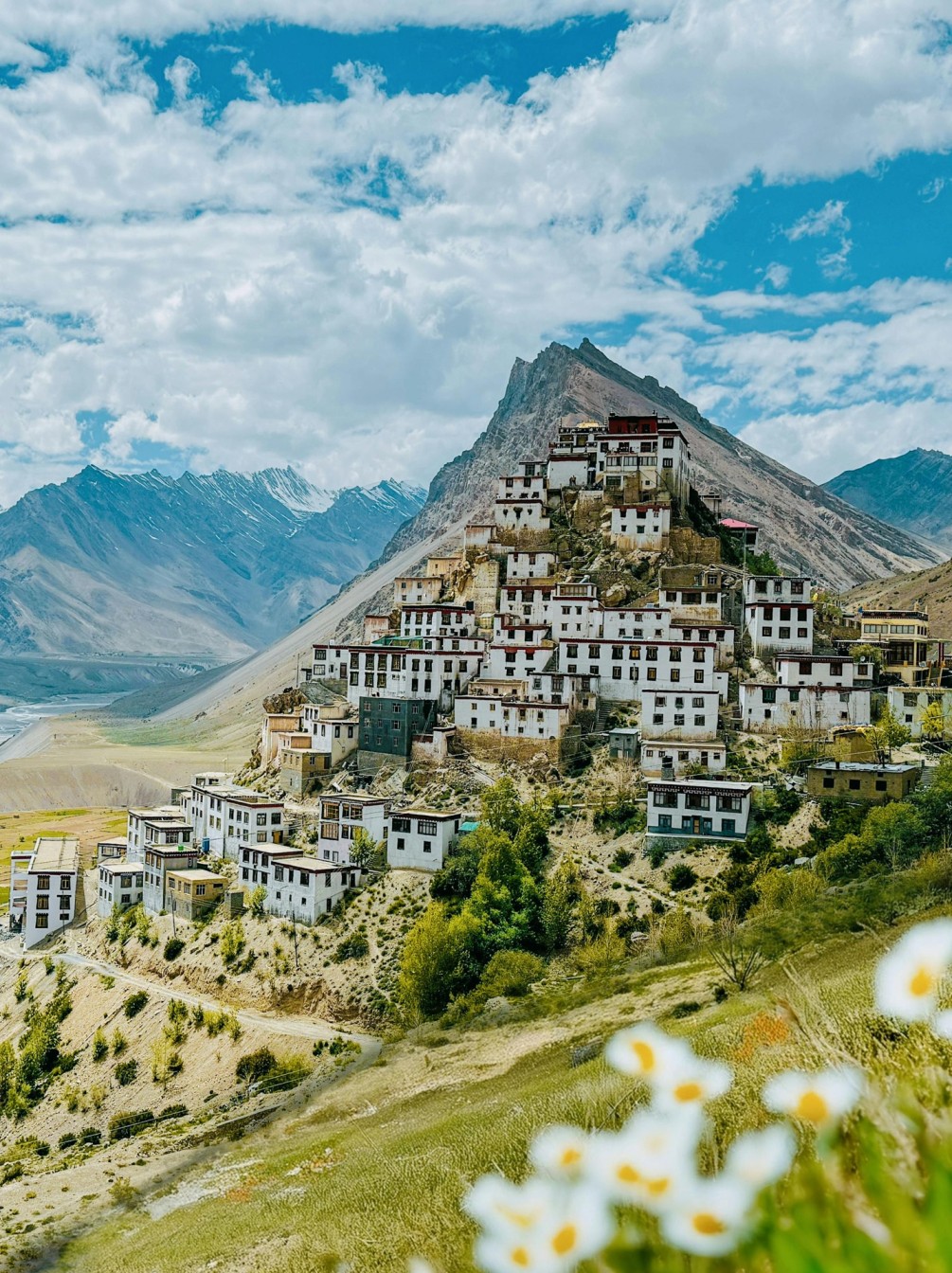
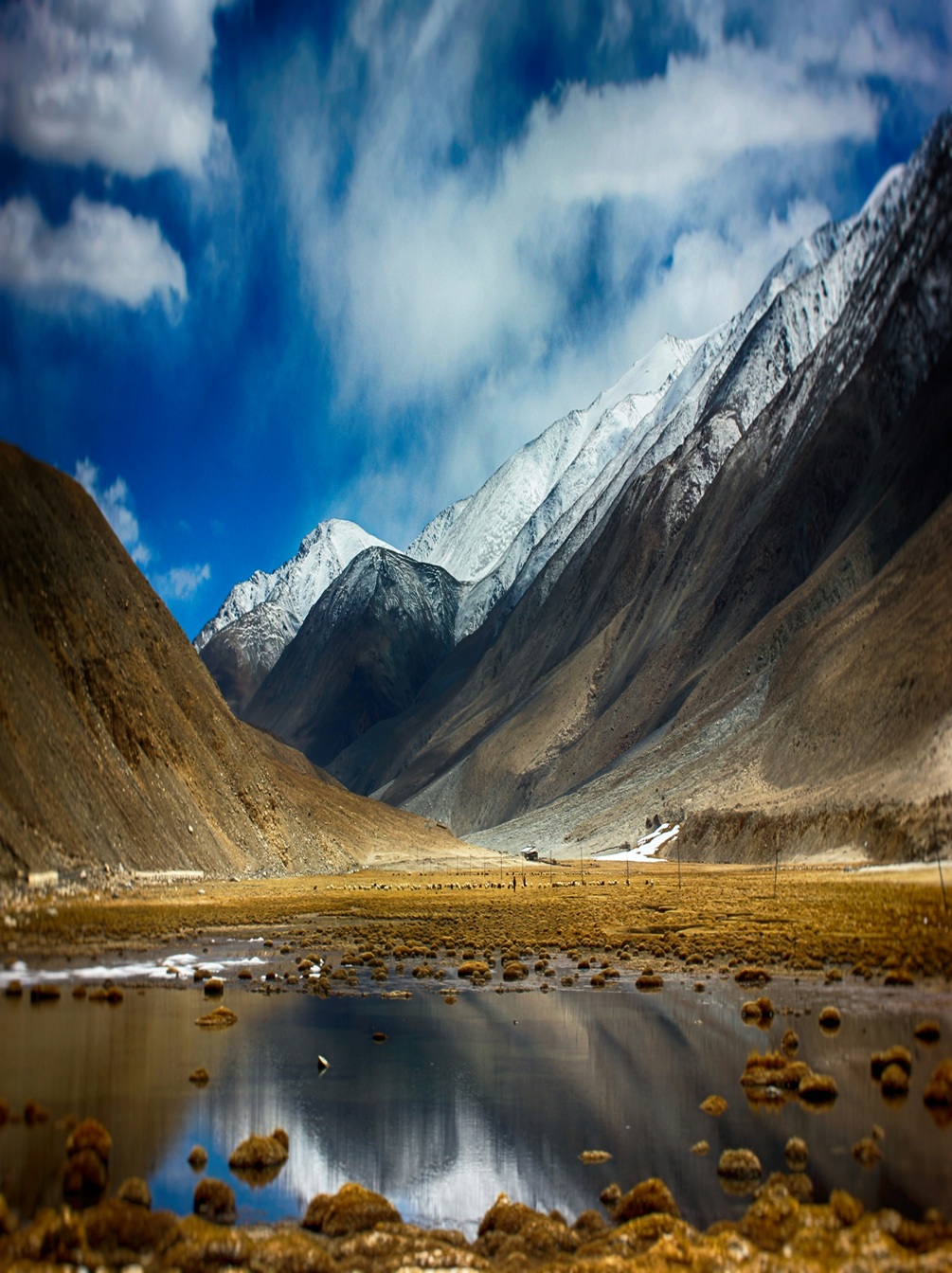
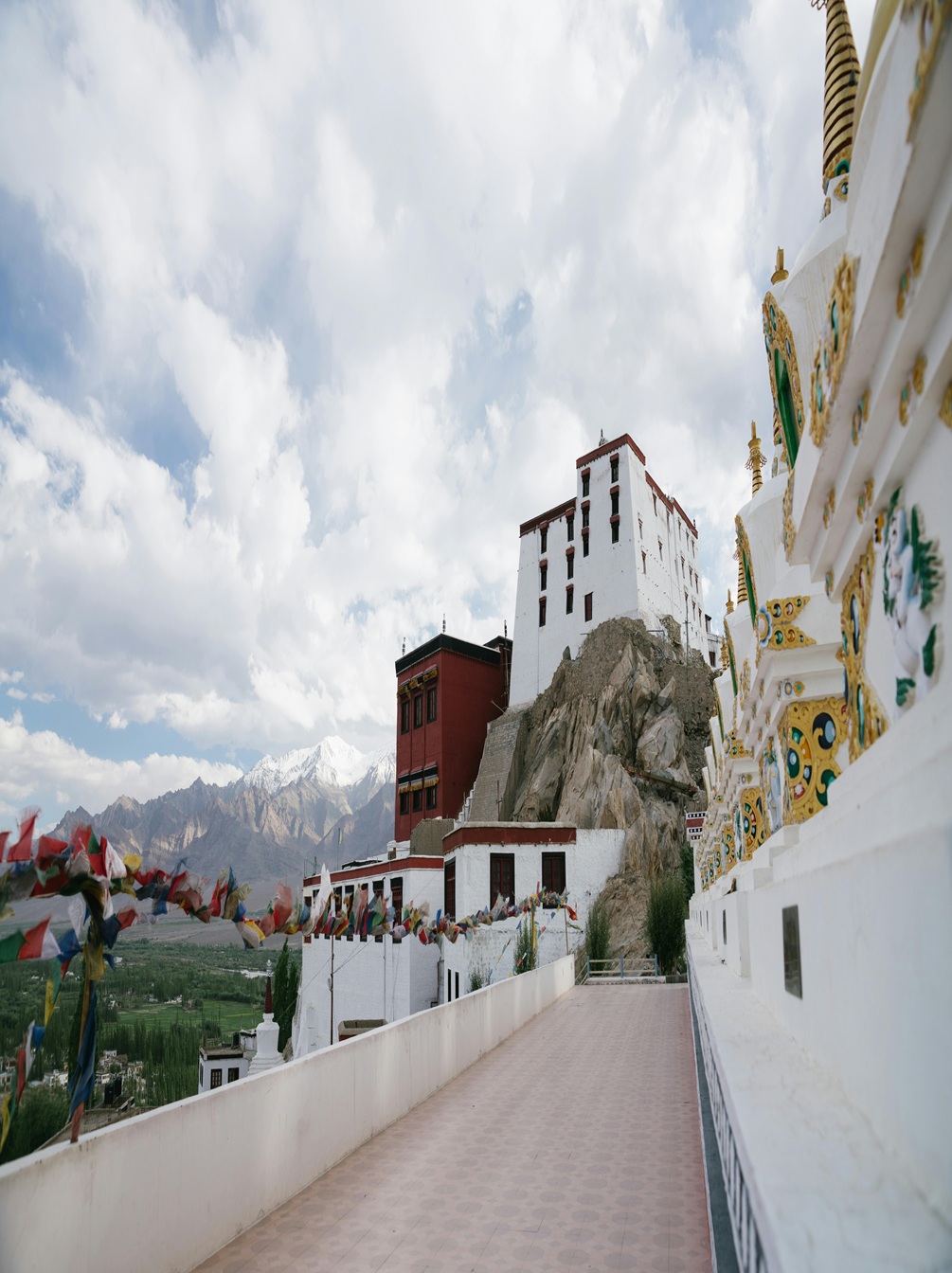
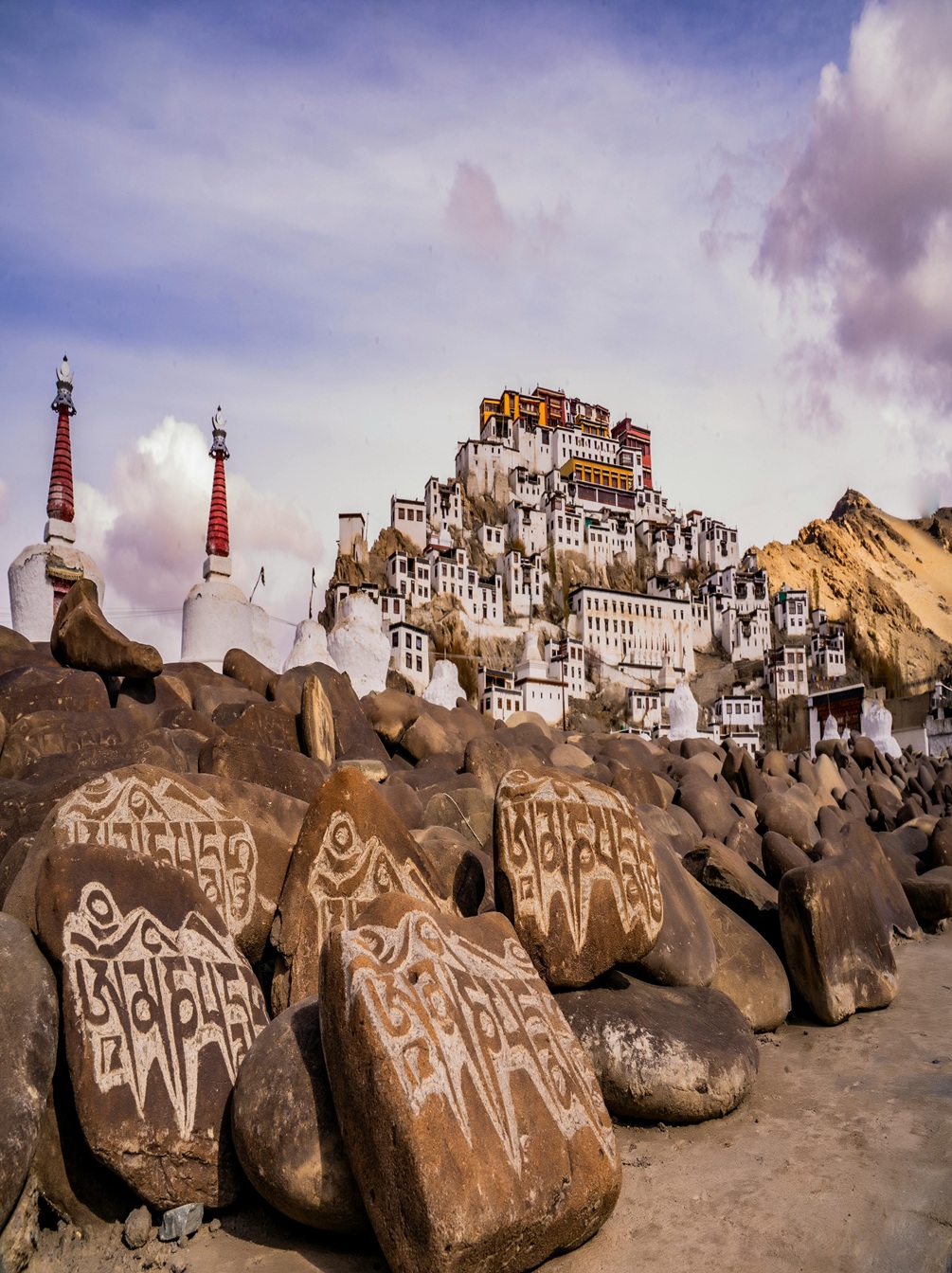
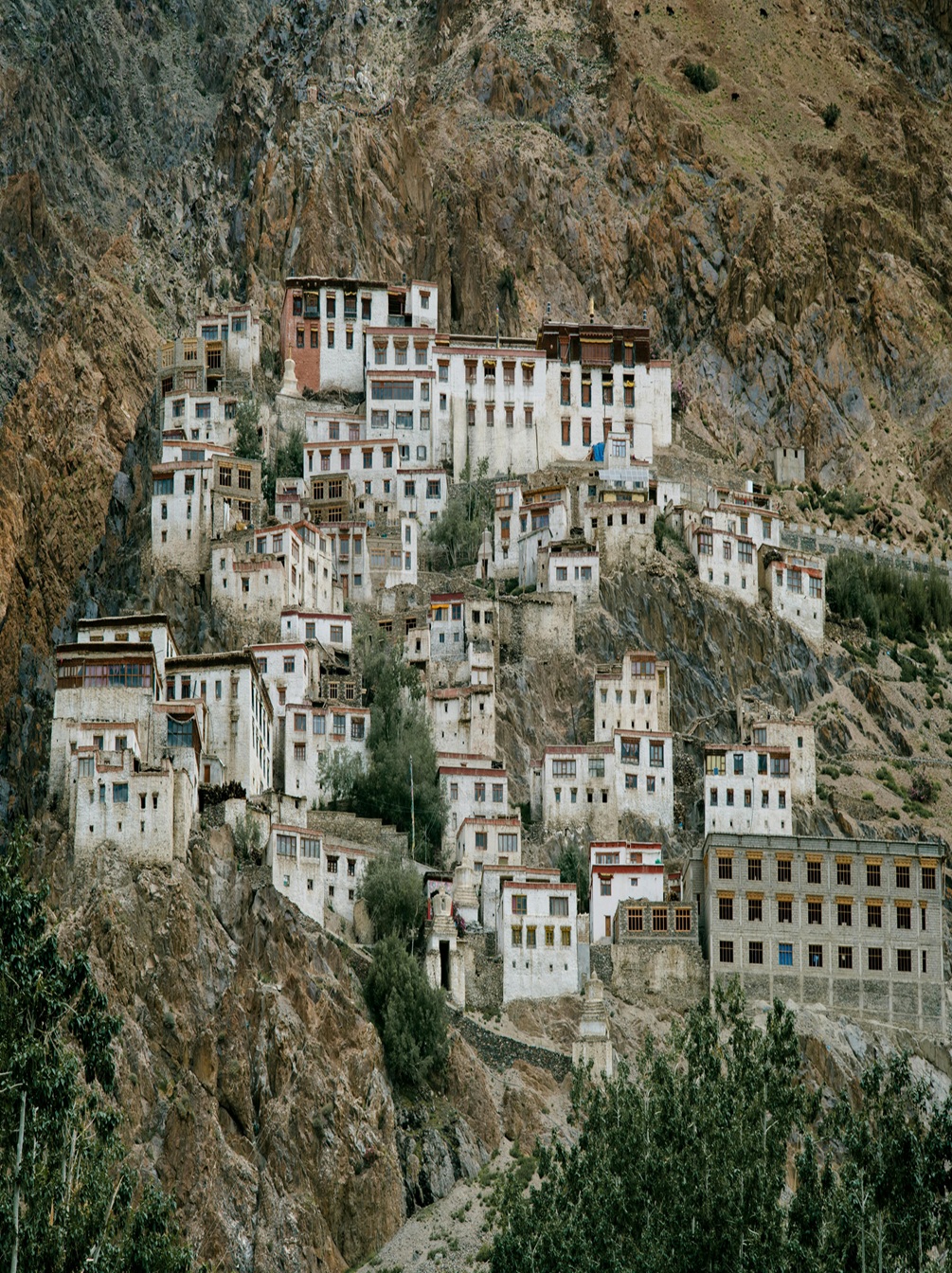
Land of high passes.In the northern embrace of India, Ladakh unfolds as a breathtaking spectacle, a high-altitude desert boasting rugged, awe-inspiring vistas, a treasury of vibrant cultural heritage, and an array of unparalleled adventures waiting to be explored. Renowned as "Little Tibet," it echoes the timeless rhythms of the Tibetan Plateau, weaving a captivating narrative of cultural affinity and shared mystique, inviting travellers to embark on an unforgettable journey through its storied landscapes and soul-stirring wonders.

Watch Video

Famous Places of Ladakh

Monasterys in Ladakh

Alchi Gompa – Ladakh

Thiksey Gompa – Ladakh

Bardan Monastery – Ladakh

Chemrey Gompa – Ladakh

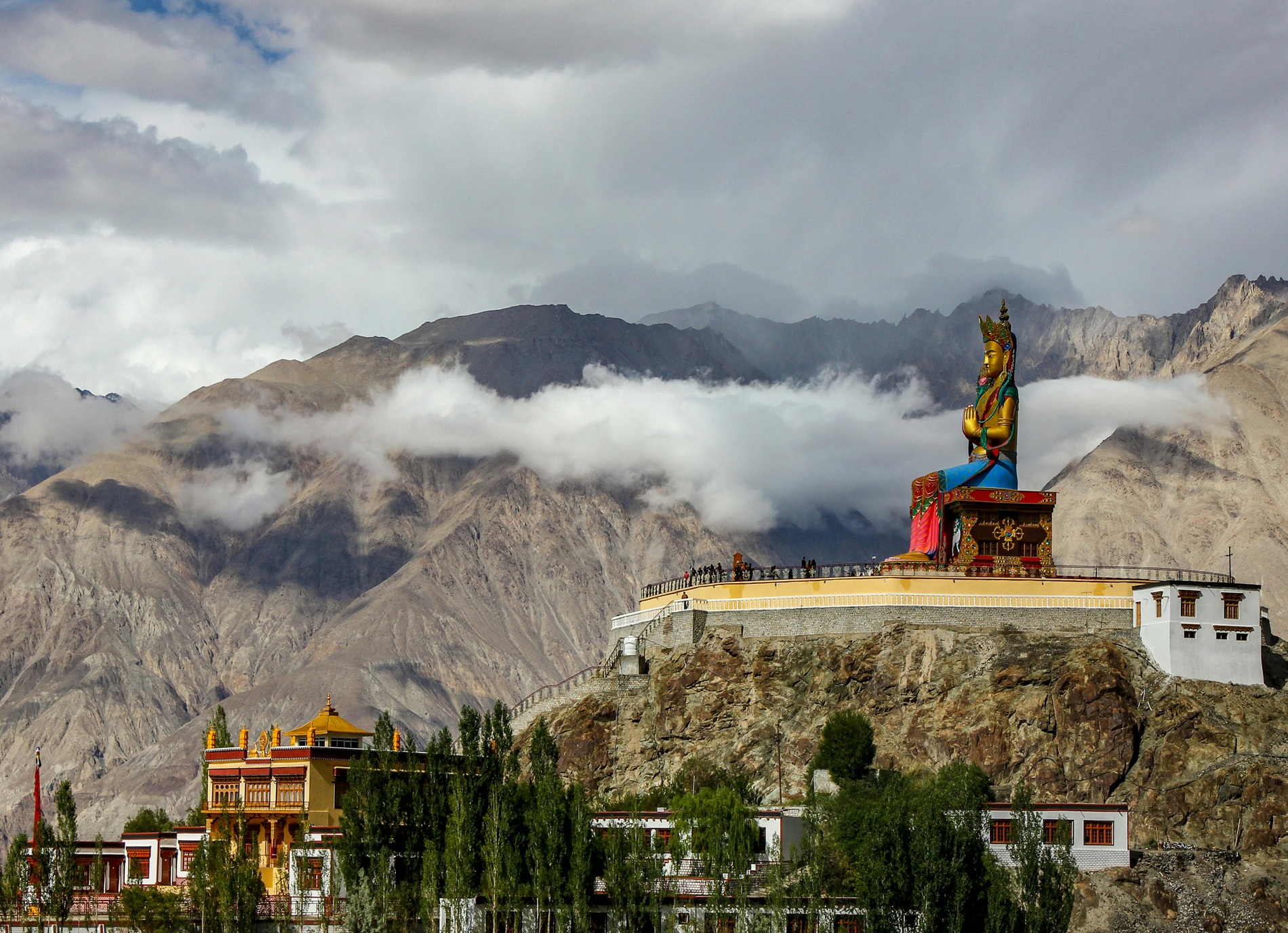
Diskit Hundur Gompa – Ladakh

Spituk Monastery – Ladakh

Karsha Monastery – Padum Valley

Lamayuru Monastery – Ladakh

Hemis Monastery – Ladakh

Phyang Monastery – Ladakh

Shey Gompa – Ladakh

Stongdey Monastery – Zanskar

Stakna Gompa – Ladakh

Rizong Monastery – Ladakh

View All

Image

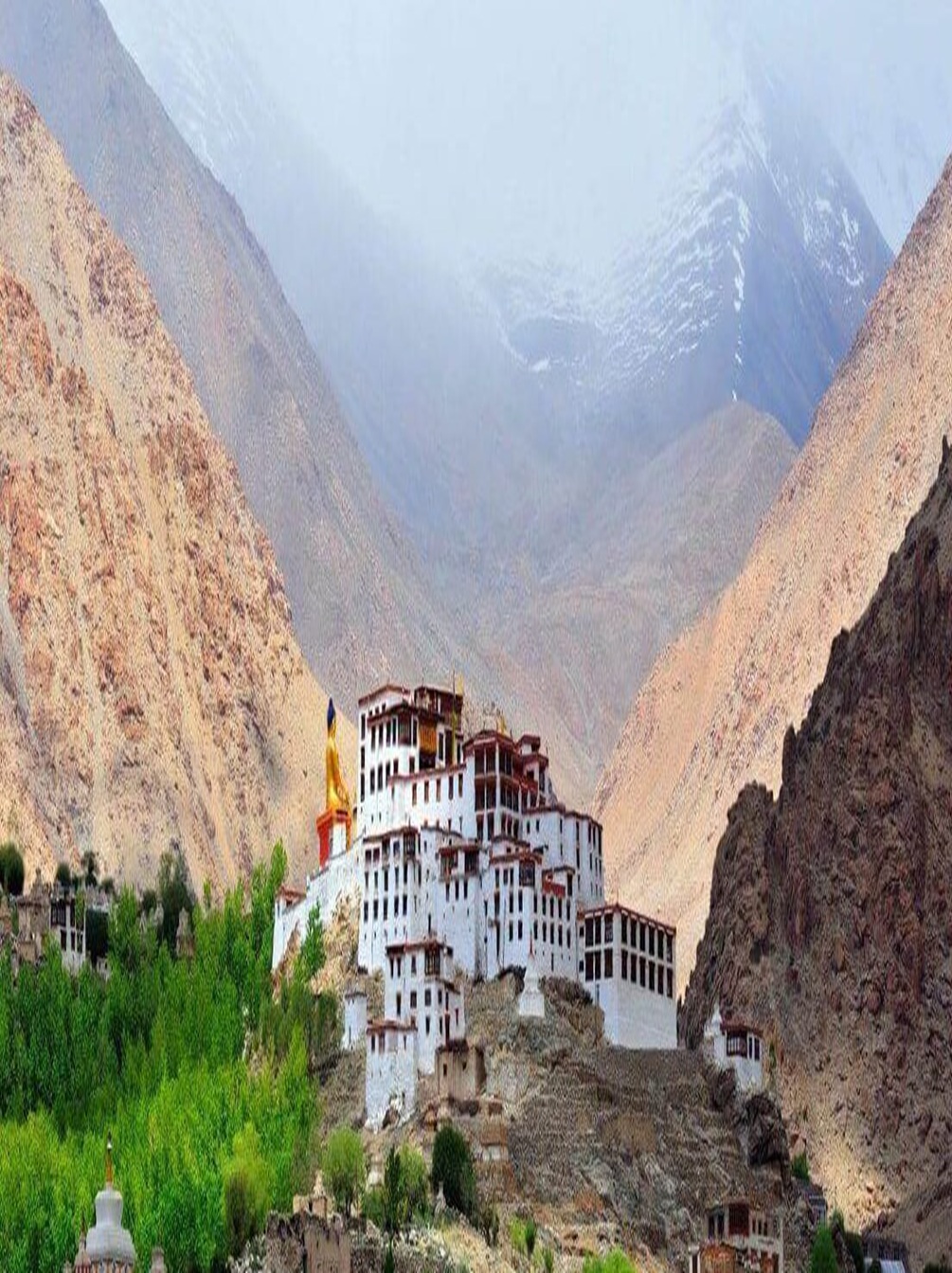
Lamayuru Monastry

Lamayuru Monastery is situated at an altitude of 3510 meters on the Leh -Srinagar highway. Lamayuru is an offbeat but easily accessible village in Ladakh, around 125 km from Leh. Also known as the Moonland of Ladakh, Lamayuru’s claim to fame is the distinct geographical formation of moon-like landscapes carved into the greater Himalayas. The terrain next to the monastery is strange yet stunning and incredible, and some say that the soil is similar to that on the moon, which justifies the name.

Image

Pangong Tso Lake

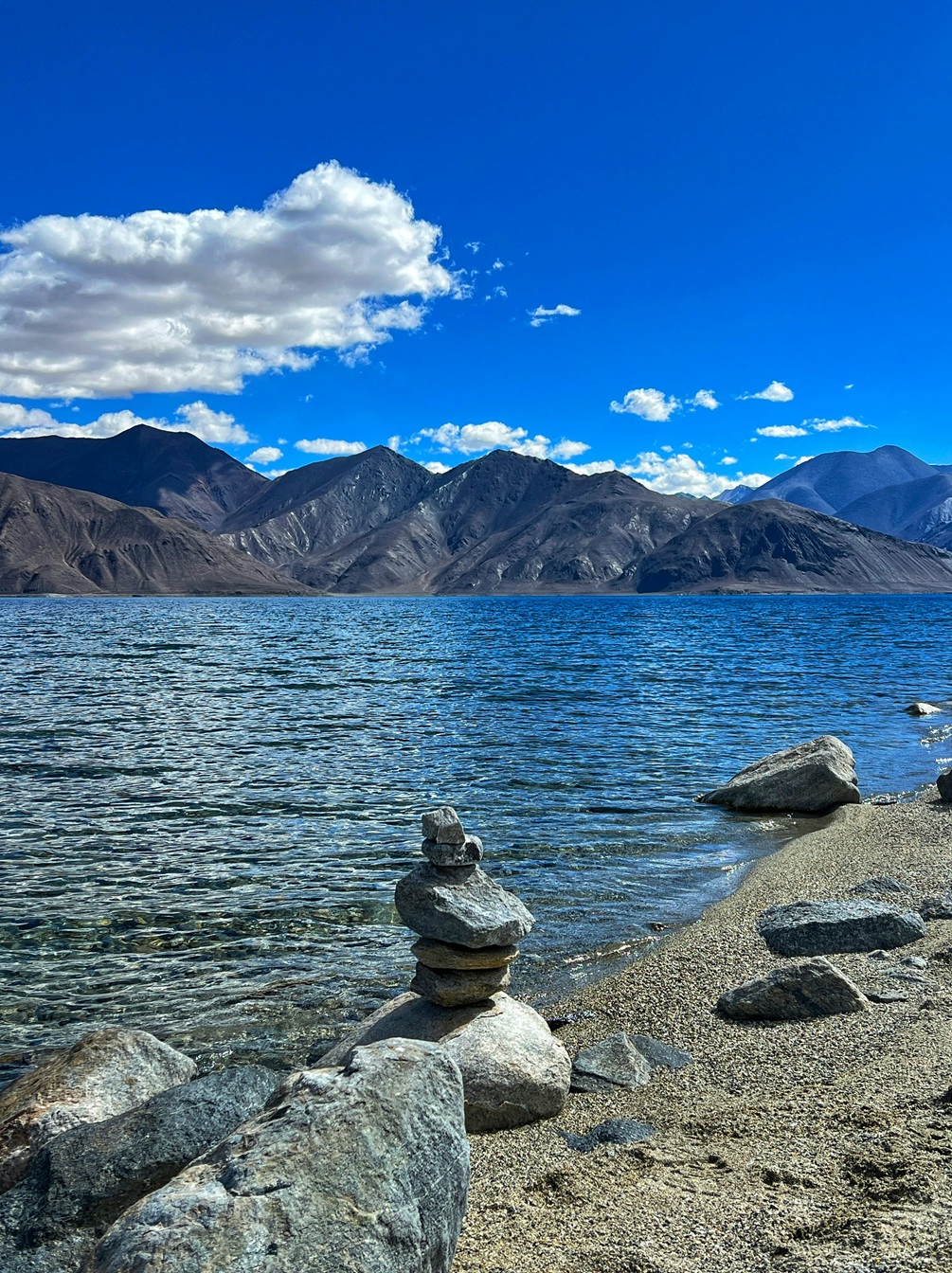
Pangong Tso Tibetan for "long, narrow, enchanted lake", also referred to as Pangong Lake, is an endorheic lake in the Himalayas situated at a height of about 4,350 m (14,270 ft). It is 134 km (83 mi) long and extends from India to Tibet. Approximately 60% of the length of the lake lies in Tibet. The lake is 5 km (3.1 mi) wide at its broadest point. All together it covers 604 km2. During winter the lake freezes completely, despite being saline water. It is not part of Indus river basin area and geographically a separate land locked river basin.

Image

Turtuk

Turtuk, the last village till where you are allowed to venture on the Indo Baltistan border. The last village is Thang which is a few kilometres from Turtuk, but special permission is needed to go till Thang. There is a another village between Turtuk and Thang which is Tyakshi. Across the LOC Phranoo is the first village of Pakistan. The road to Turtuk goes all along the Shyok valley and the condition is good. There is very less traffic on the way, and you mostly cross army vehicles. After crossing a village named Boldong, you have cross a bridge, your Names are entered here. Be sure to carry Identity proofs

Image

Khardungla La Pass

Khardungla pass or KhardonglaPass is some 38km north of Leh city and is reachable after tricky road having high gradient and many hairpin bends. Khardungla pass is at an altitude of 18,380 ft from mean sea level. Leh-Khardungla pass –Nubra road is known to be amongst a few of the highest roads in the world and the highest road of India. Thousands of tourists visit Khardungla pass for its specialty of being so high and mighty. A large number of motorbike riders from across the world come to Khardungla pass to set their personal records for riding above 18,000 feet. Indian Army has a post on the Khardung-la top and view from Khardungla is amazing as one can have a wider view of the mountain ranges.

Image

Ready Itineraries
Ladakh

Image

Ladakh is papular destination for adventure seekers, and peace seekers. It's known for its scenic beauty, Landscapes, Barren beauty, rich culture, and houseboats.

Day 1: Arrive Leh Airport transfer to hotel.

Day 2: Visit Megnatic Hill, Sangum, Shanti stupa, Leh Market.

Day 3: Visiit Nubra Valley through Khardungla pass overnight in Nubra.

Day 4: Visit Diskit monistry return back to Leh

Day 5: Depart from Leh Airport

Image

Day 1: Arrive Leh Airport transfer to hotel.

Day 2: Visit Megnatic Hill, Sangum, Shanti stupa, Leh Market.

Day 3: Visiit Nubra Valley through Khardungla pass overnight in Nubra.

Day 4: Nubra to Pangong TSO from Shiyokh overnight in Pangong.

Day 5: Pangong to leh via changla pass.

Day 6: Depart from Leh Airport

Image

Day 1: Arrive Leh Airport transfer to hotel.

Day 2: Visit Megnatic Hill, Sangum, Shanti stupa, Leh Market.

Day 3: Visiit Nubra Valley through Khardungla pass overnight in Nubra.

Day 4: Viait Turtuk from Nubra last Indian Village back to Nubra.

Day 5: Nubra to Pangong TSO from Shiyokh overnight in Pangong.

Day 6: Pangong to leh via changla pass.

Day 7: Depart from Leh Airport

Image

+91-9018111151

travelsbatuuta@Gmail.com

Image

+91-9018111151

travelsbatuuta@Gmail.com

Image

+91-9018111151

travelsbatuuta@Gmail.com

Featured Services

Our Services and products..

View All

Image

Airline Tickets.

We provide tickets to all destination on compitative prices, For individual and Group tickets

Please contact us at whatsaap.

+91-7006020252

Image

Hotels and Resorts.

We provide booking in all kind of Hotels, Resorts, Houseboats.

Learn More

Image

Package Tours

Tours to all destinitaions in India, UAE and more. Individual, Group, Family and personalised trips.

Learn More

Image

Transport

All kind of transport for groups and Individual needs, Luxury transport.

Learn More

Other destinations of Ladakh!

Beside famous places, there are many breathtaking and offbeat Destinations worth visiting.

View All

Image

Alchi

Alchi, a small village situated on low land, is about 70 km to the west of Leh district and is located on the banks of the River Indus. Alchi village is very fertile and it is all green with apricot trees on both side of road. This region had influence of Islam, Hinduism and Buddhism because it falls on the route to Turkestan of China but its isolation helped the village and gompas to keep their cultural traditions safe from the outer influences. The Alchi village is famous for the existence of one of the oldest monasteries in Ladakh known as Alchi Monastery, which is Ladakh’s most valuable heritage. Alchi monastery is a Buddhist worshipping place and study center and is managed by the monks of Likir. The monastery was built, according to local tradition, by the great translator Guru Rinchen Zangpo between 958AD and 1055AD. The building is said to have been built during the 11th century and the architecture of the place is also excellent. In Alchi, one can visit the Sumtsek Temple, Vairocana Temple, Lo Tsawa Temple, Manjushree Temple, Kangyur Temple with Stupas, Monk Cells etc. Beautiful wood carving arts, huge Tibetan Styled models of Buddha, Manjushree, historic wall paintings of Buddha's teachings within a very calm, quite, pristine ambiance made Alchi more valuable. There are five shrines in the Choskor temple complex which has some splendid wall paintings. One of its walls features thousands of miniature sized pictures of the Buddha. It is a perfect place to relax and experience the quintessential Buddhist monastery.

Learn More

Image

Likir

The Likir monastery stand 6 km north of the main Leh -Srinagar highway, a little before the village of Saspol. From Leh itself, the distance is 62 km in the western direction. It was during the rule of the fifth king of Ladakh, Lhachen Gyalpo, that land was offered to Lama Duwang Chosje, an eminent advocate of meditation, to construct the monastery. The lama graced the land and the monastery came up in 1065 AD. The monastery was enclosed by the bodies of the two great serpent spirits or the naga- rajas, Nanda and Taksako. Because of this, the name of the monastery became Likir or the Naga encircled. Initially, the monastery was associated with the Kadampa sect, however, the year 1470 saw a conversion by a central Tibetan monk Lawang Lotos. This coversion resulted in the monastery being brought under the Gelukspa Order of the great Lama Tsongkhapa. The monastery, as it stands today, is not the original structure that was constructed in the 11th century. A fire destroyed the original temple, and in its place, a new structre was erected in the 18th century. Because of this the monastery does not gives an appearance of being very old. Clay Images of three Buddhas - "Marme Zat" (past), "Sakyamuni" (present) and "Maitreya" (Future) - dominate the Du-khang whereas the Gon-khang houses a statue of "Tse-Ta-Pa", the wrathful protector. Additionally, the impressive murals of "Yamantaka" and "Mahakala" too adorn the Gon-khang. The monastery is also a repository of various old manuscripts, attractive collection of thankas, old religious and domestic costumes and implements. A huge Jupiter tree, amongst the few remaining ones of its species stands majestically in the courtyard. Likir Monastery is not only large, it is pretty wealthy too. Around 100 monks reside in Likir and it also has another significant monastery, Alchi, as its branch.

Learn More

Image

Hemis

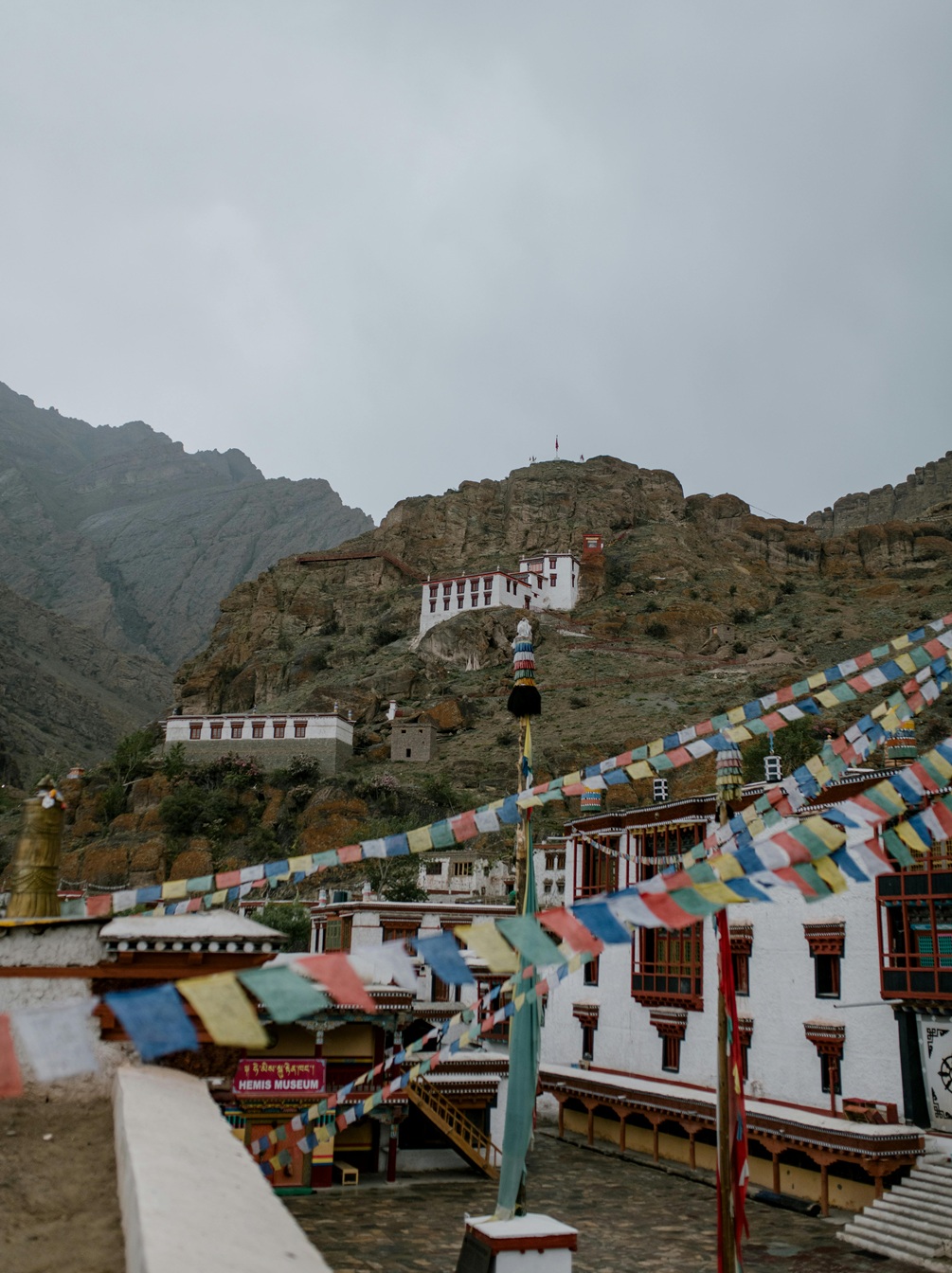
Hemis monastery (gompa) is a Buddhist monastery of Drukpa lineage of Buddhism and is located in Hemis village of Ladakh, about 45 km from Leh. The monastery was built before 11th century but it was re-established in 1672 by the king of Ladakh Sengge Namgyal.An annual Hemis Festival, in honour of Padmasambhava, is observed here in the month of June. Naropa, pupil of yogi Tilopa and teacher of translator Marpa is connected with this monastery. A translation was made by A Grunwedel of Naropa’s biography which was found in Hemis monastery. According to a legend, and Russian journalist Nicolas Notovitch (1894), the Jesus had travelled to the Hemis monastery during his Lost Years. Large numbers of tourists visit Hemis every year. The Hemis Festival is dedicated to Lord Padmasambhava venerated as the dance performance at Hemis Monastery representing the reincarnation of Buddha. He is believed to have been born on the 10th day of the fifth month of the Monkey year as predicted by the Buddha Shakyamuni. It is also believed that his life mission was, and remains, to improve the spiritual condition of all living beings. And so on this day, which comes once in a cycle of 12 years, Hemis observes a major extravaganza in his memory. Hemis monastery has a large library that houses ancient religious texts, few of them in unknown languages. Some evidence suggests that the monastery existed even before 11 th century. Naropa is considered the founding father of the Kagyu-lineage of the Himalayan esoteric Buddhism. Hence Hemis is the main seat of the Kagyu lineage of Buddhism.

Learn More

Image

TSO Moriri

At an altitude of about 14,835 ft from sea level and 240 km from Leh, Tso Moriri Lake or tsomoriri lake is located in Changthang plateau of Ladakh in India, having a maximum length of 19km and a maximum width of 3km. The lake is very deep with maximum depth at a point up to 350 ft (106m). Tsomoriri lake is said to be the largest of the high altitude lakes in India in the trans-Himalayan biogeographic region. Officially the lake is now known as Tso Moriri Wetland Conservation Reserve. The bluish crystal clear water of Tsomoriri lake mesmerizes the visitors. Korzok village which inhabits a large number of people is situated by the bank of the lake. An Indian Army post is also situated by the bank of the lake and at the gateway to the village.

Tsomoriri lake

An entry with the military post is must before entering the village. Tso means lake in Tibetan language. So, many people call it Moriri lake. Tso Moriri Lake is mostly accessible only during summer months but the villagers and military stay here round the year.The region had no telephone connectivity until recent when a small BSNL tower was established here. The village is given power supply during night time by a power generator maintained by Indian Army. A large number of homestay units, hotels and camping sites have come up in the village in the recent past. Villagers cultivate peas, barley and potato by the bank of the lake. A 400-year-old Korzok Monastery is also worth visiting for tourists and pilgrims. The lake is fed by the melting of snow and spring waters. The lake has no outlet, so it does not give birth to any water stream or river. As Tsomoriri lake is a high altitude lake in Leh district of Ladakh, many tourists feel the impact of altitude sickness (mountain sickness) here. So, keeping in view the health, tourists are advised not to visit moriri lake directly from Manali side or from Leh. You need to stay in Leh for at least 2-3 days for better acclimatisation. A large number of migratory birds, especially from Siberia, come to Tso Moriri Lake for breeding. The surface of Tsomoriri lake freezes completely during harsh winter months and villagers and their cattle walk on its frozen surface to cross the lake without any problem.

Learn More